
The Business Moves Buried Inside Mega Projects
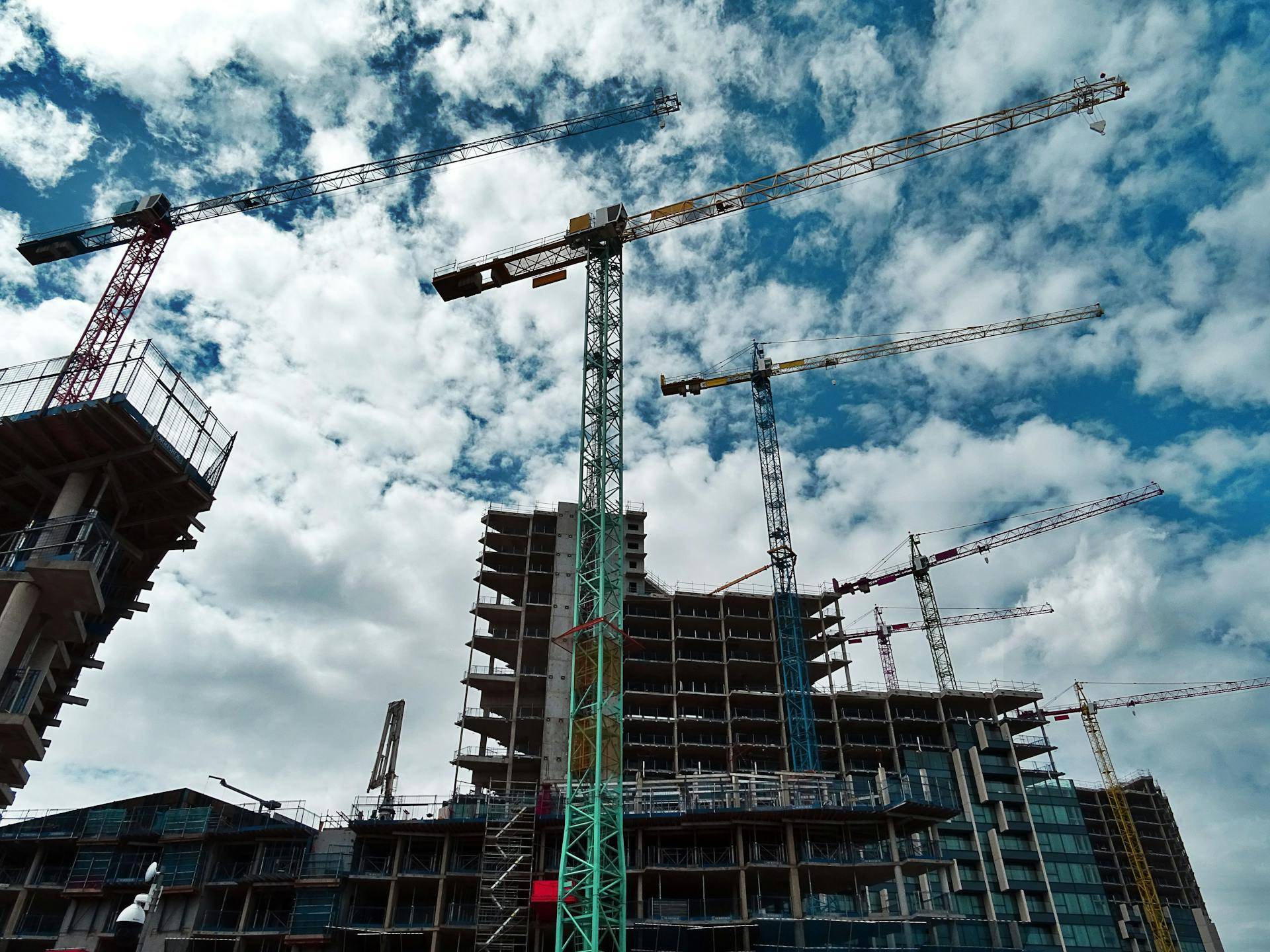
When people look at a mega project, they see scale. Towering cranes, massive budgets, and timelines that stretch for years. What they don’t see are the quiet business moves happening beneath the surface—decisions made in boardrooms and back offices that can determine whether a project becomes a landmark success or a financial cautionary tale.

Mega projects are not just feats of engineering. They are carefully choreographed business strategies disguised as construction.
Where the Real Strategy Begins
Long before a site is cleared, mega projects are already in motion. Land acquisitions are staggered to avoid price spikes. Partnerships are structured to spread risk. Financing is layered in ways that allow flexibility as markets shift.
These early moves rarely make headlines, but they shape everything that follows. A well-timed land purchase or a strategic joint venture can save millions, while a misstep at this stage can haunt a project for its entire lifespan.

Timing the Market, Not Just the Build
Mega projects live or die by timing. Developers aren’t just betting on construction schedules—they’re betting on economic cycles, interest rates, population growth, and future demand.
Many projects launch during uncertain conditions, with the expectation that the market will mature by the time completion arrives. Others deliberately pause or phase construction to align with shifting financial realities. What looks like indecision from the outside is often a calculated business move designed to protect long-term value.
Why Phasing Is a Power Play
Phased development is one of the most powerful tools inside mega projects. Instead of building everything at once, developers roll out sections strategically, testing demand, adjusting design, and controlling cash flow.
Each phase becomes both a revenue generator and a market signal. Strong performance greenlights expansion. Weak response triggers redesign or delay. This flexibility allows mega projects to adapt while smaller developments are forced to commit.

Risk Management Hidden in Plain Sight
Risk in mega projects is unavoidable, but it is rarely left unmanaged. Contracts are structured to shift exposure. Contingencies are built into schedules. Suppliers are diversified. Insurance, hedging strategies, and escalation clauses quietly protect margins.
These safeguards don’t eliminate risk—they contain it. The smartest developers plan for problems before they appear, ensuring that setbacks don’t become disasters.
The Influence of Anchor Tenants and Early Commitments
One of the most critical business moves in any mega project is securing anchor tenants or early commitments. A single major tenant can validate the project, unlock financing, and attract additional partners.
These deals are often negotiated long before construction begins and may involve incentives, customization, or long-term concessions. While they may reduce short-term returns, they significantly improve long-term stability.

Infrastructure as Leverage
Mega projects often rely on public infrastructure improvements, but this relationship works both ways. Developers leverage the promise of jobs, tax revenue, and economic growth to secure zoning changes, transit access, and utility upgrades.
What appears to be public investment is frequently the result of strategic negotiation. Infrastructure becomes both a necessity and a bargaining chip.
Why the Exit Strategy Matters from Day One
Unlike smaller developments, mega projects are often built with the exit already in mind. Refinancing, partial sales, public offerings, or long-term holds are all considered early in the process.
Design choices, ownership structures, and operational plans are aligned with these future outcomes. The building isn’t just meant to stand—it’s meant to perform as a financial asset.
To Wrap Things Up
Mega projects are filled with hidden business moves that shape their success far more than concrete or steel. Behind every skyline-changing development is a series of strategic decisions about timing, risk, partnerships, and capital.
What rises above ground may capture attention, but the real work happens below the surface. In mega construction, the smartest moves are often the ones no one ever sees.