
The Day a Construction Project Changed a City Forever
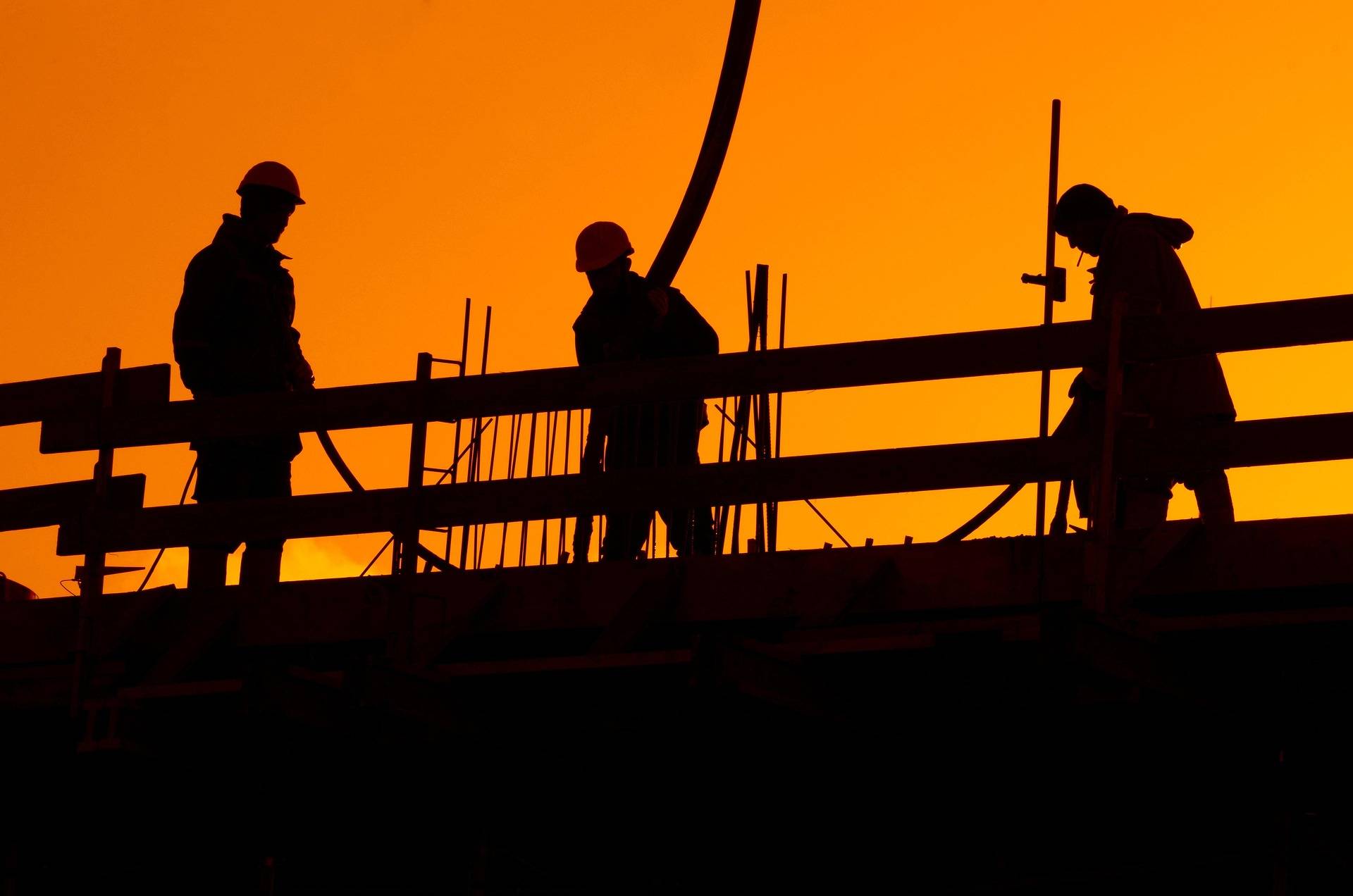
Most people drive past construction sites without a second thought. Orange cones. Steel beams. Dust in the air. Just another project, right?
But every once in a while, a construction project doesn’t just fill space — it rewrites a skyline, reshapes an economy, and changes how a city sees itself.

This is the story behind those projects.
It always starts the same way. A bold idea. A risky investment. A patch of land that looks ordinary to everyone except the people who can see what it could become.
Then the machines arrive.

At first, it looks chaotic. Dirt piles where streets once ran. Cranes standing still like giants waiting to move. Neighbors complain. Traffic slows. Critics doubt. From the outside, it feels like disruption.
From the inside, it’s precision.
Every massive project that transforms a city depends on thousands of invisible decisions. Load calculations that must be exact. Timelines that leave no room for error. Crews coordinating across trades, schedules, weather windows, and supply chains. One delay can cost millions. One mistake can shut everything down.
This is where billion-dollar construction projects separate themselves from the rest.
They’re not just built — they’re orchestrated.
Behind the scenes, project managers track progress down to the hour. Engineers simulate stress long before concrete is poured. Safety teams plan for scenarios most people never consider. When everything goes right, no one notices. When something goes wrong, everyone does.
As steel rises and floors stack higher, the mood shifts.
What once felt like disruption starts to feel like anticipation.
Restaurants open nearby. Office leases are signed before the building is finished. Investors start paying attention. Jobs multiply. A neighborhood that used to be overlooked becomes a destination.
This is the moment construction becomes more than construction.
It becomes economic gravity.

Some of the most iconic places in the world — financial districts, stadiums, transit hubs, mixed-use towers — exist because construction teams executed under pressure at a massive scale. These projects don’t just require capital. They require confidence, leadership, and crews who understand that every day on-site matters.
And here’s the part most people don’t realize.
Billion-dollar construction isn’t about building big. It’s about managing complexity.
It’s coordinating hundreds of vendors. It’s sequencing work so that one trade finishes just in time for the next. It’s maintaining safety standards while pushing aggressive timelines. It’s adapting when materials don’t arrive, weather turns, or designs evolve mid-build.
The best construction brands thrive in this chaos.
They build trust with developers. They earn repeat contracts. They attract top talent. Over time, their name becomes associated with reliability at scale — the kind that cities bet their futures on.
When the final barriers come down and the site opens to the public, the project looks effortless. Clean lines. Smooth finishes. No sign of the pressure that once lived there.
But those who know construction understand what it took to get there.
The long nights. The problem-solving. The moments where one decision could have shifted the entire outcome.
That’s the reality behind billion-dollar construction.
Not just concrete and steel — but vision, discipline, and execution on a scale most industries never touch.
And the next time you pass a construction site, remember this.
What looks like noise today might be the foundation of a city’s future tomorrow.