
The Future of Safety Gear
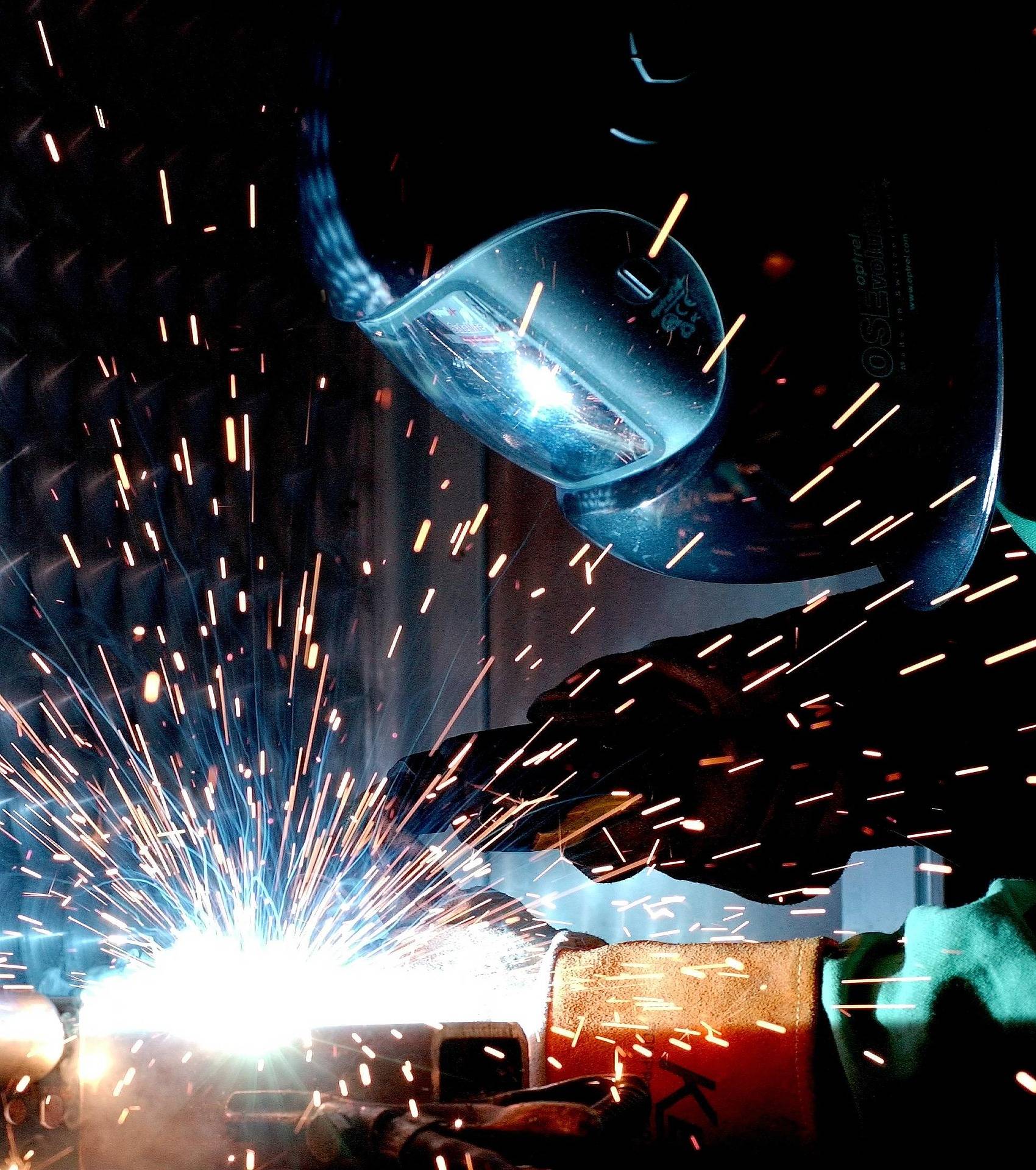
Safety gear has always been a cornerstone of the construction industry, but the future of protection on the jobsite is evolving far beyond hard hats and reflective vests.

As construction projects grow more complex and technology advances at an unprecedented pace, safety gear is transforming into something smarter, more responsive, and more human-centered. The next generation of safety equipment isn’t just about compliance — it’s about prevention, performance, and preserving lives.

Why Safety Gear Is Entering a New Era
For decades, safety gear followed a simple purpose: protect workers from immediate hazards. While effective, traditional equipment often relied on passive protection, responding only after an incident occurred. Today’s construction environments demand more. Labor shortages, faster project timelines, and higher-risk builds require safety solutions that anticipate danger rather than react to it.
The future of safety gear focuses on proactive protection, using technology to reduce risk before accidents happen. This shift is redefining what safety means across the industry.
Smart Helmets and Wearable Technology
One of the most visible changes in safety gear is the rise of smart helmets and wearable devices. Modern helmets now integrate sensors that monitor impact, fatigue, temperature, and even worker location. These tools provide real-time data to supervisors, allowing them to identify hazards and intervene before an incident escalates.
Wearable technology extends beyond helmets. Smart vests, wristbands, and boots can track heart rate, posture, and exposure to dangerous conditions. By combining safety with data, companies gain insight into worker well-being while creating safer, more responsive jobsites.

Connected Jobsites and Real-Time Monitoring
Safety gear no longer operates in isolation. The future lies in connected ecosystems where equipment communicates with machinery, software platforms, and site managers. When a worker enters a restricted area or approaches active equipment, alerts can be triggered instantly.
This level of connectivity reduces human error and enhances situational awareness. It also allows companies to analyze trends, identify recurring risks, and redesign workflows to eliminate hazards entirely.
Advanced Materials Redefining Protection
Material science is playing a major role in the evolution of safety gear. Lighter, stronger, and more flexible materials are replacing bulky protective equipment. Modern fabrics now offer higher resistance to cuts, heat, and chemicals while remaining breathable and comfortable.
Exoskeleton technology is also gaining momentum, particularly for tasks involving heavy lifting or repetitive motion. These wearable supports reduce strain on the body, helping prevent long-term injuries and extending worker longevity in physically demanding roles.

Comfort as a Safety Strategy
One of the most overlooked aspects of safety is comfort. Uncomfortable gear leads to misuse or non-compliance, increasing risk on the jobsite. The future of safety gear recognizes that protection must be wearable for long hours without fatigue or restriction.
Designers are now prioritizing ergonomics, mobility, and climate adaptability. Safety gear that fits better, moves naturally, and adapts to weather conditions encourages consistent use and improves overall job performance.
Artificial Intelligence and Predictive Safety
Artificial intelligence is becoming a powerful force in construction safety. When combined with wearable gear, AI can analyze behavior patterns and environmental conditions to predict potential accidents. For example, fatigue indicators combined with heat exposure data can trigger rest alerts before a worker becomes impaired.
This predictive approach shifts safety from enforcement to prevention, reducing incidents while empowering workers with real-time feedback and protection.

The Role of Safety Gear in Workforce Retention
As the construction industry competes for skilled labor, safety has become a differentiator. Workers are more likely to stay with companies that invest in their well-being. Advanced safety gear signals a commitment to people, not just productivity.
Companies that embrace modern safety solutions position themselves as leaders, attracting talent while reducing downtime, insurance costs, and liability risks.
Regulatory Influence and Industry Standards
As safety technology advances, regulations and standards are evolving alongside it. Agencies are beginning to recognize the value of smart safety solutions, and future compliance may increasingly involve data-driven monitoring and reporting.
Forward-thinking construction companies are already adopting next-generation safety gear ahead of mandates, gaining a competitive edge while setting new industry benchmarks.
Building a Safer Future
The future of safety gear is not about replacing workers or overcomplicating the jobsite. It’s about using innovation to protect the people who build our world. Smart technology, advanced materials, and human-centered design are converging to create safer, more sustainable construction environments.
As construction continues to evolve, safety gear will no longer be seen as equipment alone — it will be an intelligent partner on every jobsite, working quietly in the background to ensure that every worker goes home safely.